4th May 2024
Visiting Gallipoli (Gelibolu in Turkish) was very special.
Turkey is situated in a critical spot. It bridges the continents of Europe and Asia. Also, shipping from the south is required to traverse initially the Dardanelle Strait through to the Sea of Marmara and then through the Bosporus Strait through to the Black Sea to access a number of countries, including Moldova, Ukraine and the southern part of Russia.
According to one of the plaques, the Allied objectives in the Gallipoli Campaign were to capture Istanbul to force Turkey out of the war, to secure an ice-free supply route to Russia, and to open another front against Germany and Austria-Hungary. ANZAC Cove is situated in the Dardanelles Strait and so by successfully taking over this area, it was believed that the Allies would have succeeded in at least the first stage of their plan.
It was interesting to note that the landing was in the wrong place and should have been a little further down the coast. This made sense to me because I don’t think anyone would seriously land right up against the hillside on which the other side were situated.
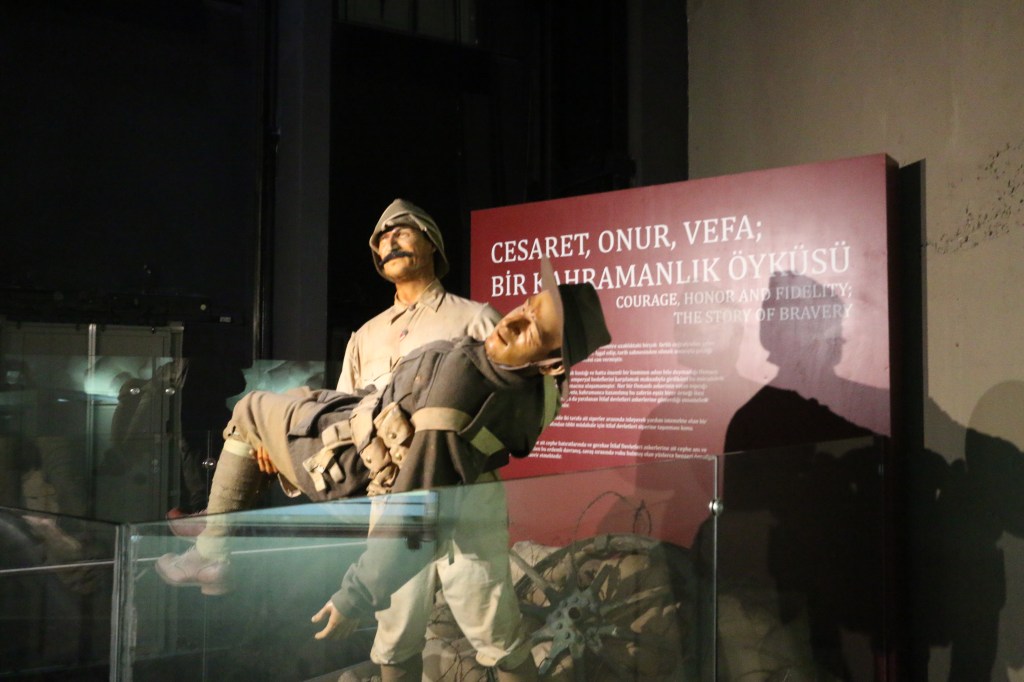
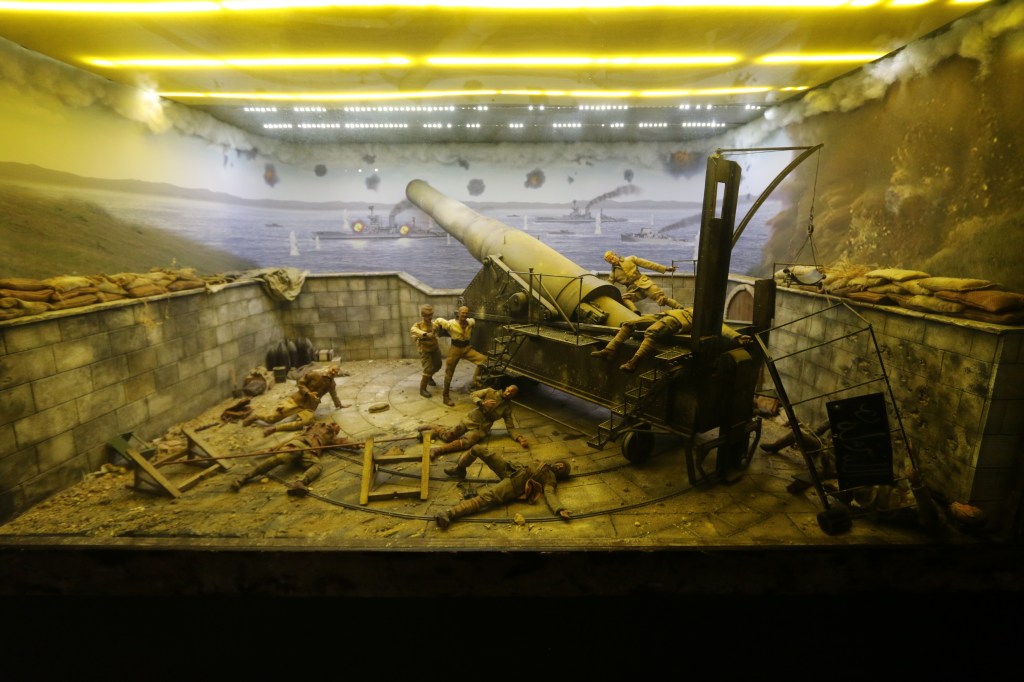
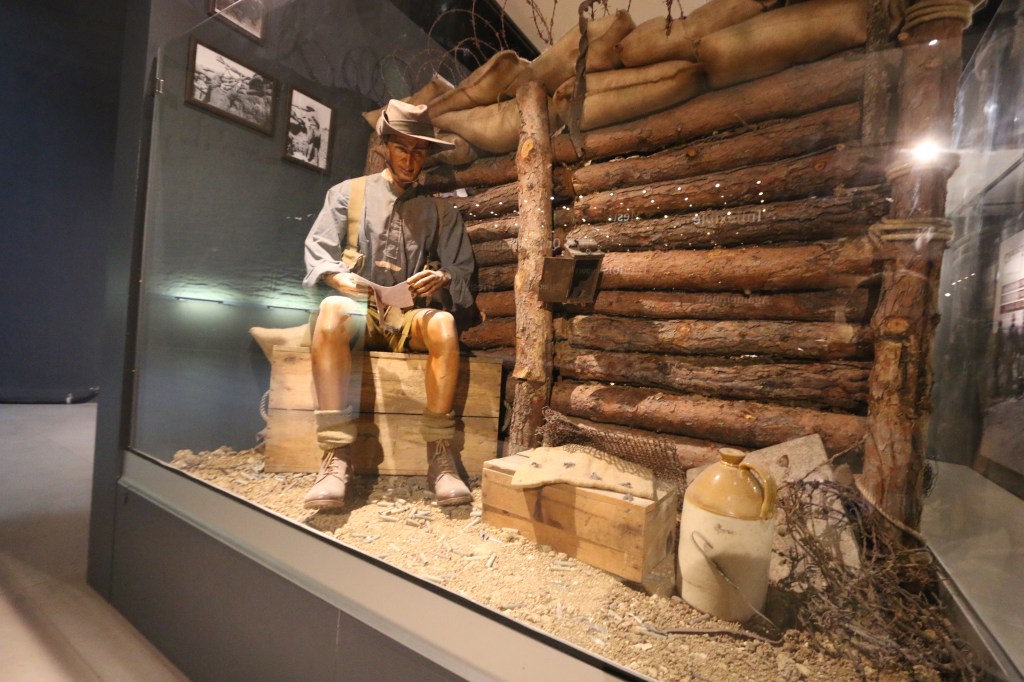
Our tour group visited Gallipoli and we were able to spend approx. 3.5 hours at the site, starting with a visit to the Kabatepe museum, known as the Gallipoli War Museum. The building is relatively new and not very large, but provides not only stories but displays with soldiers, uniforms, weapons, letters and other artifacts. Working through the displays gave me a better understanding of what occurred, also that the campaign stretched out longer than I recall being taught at school.
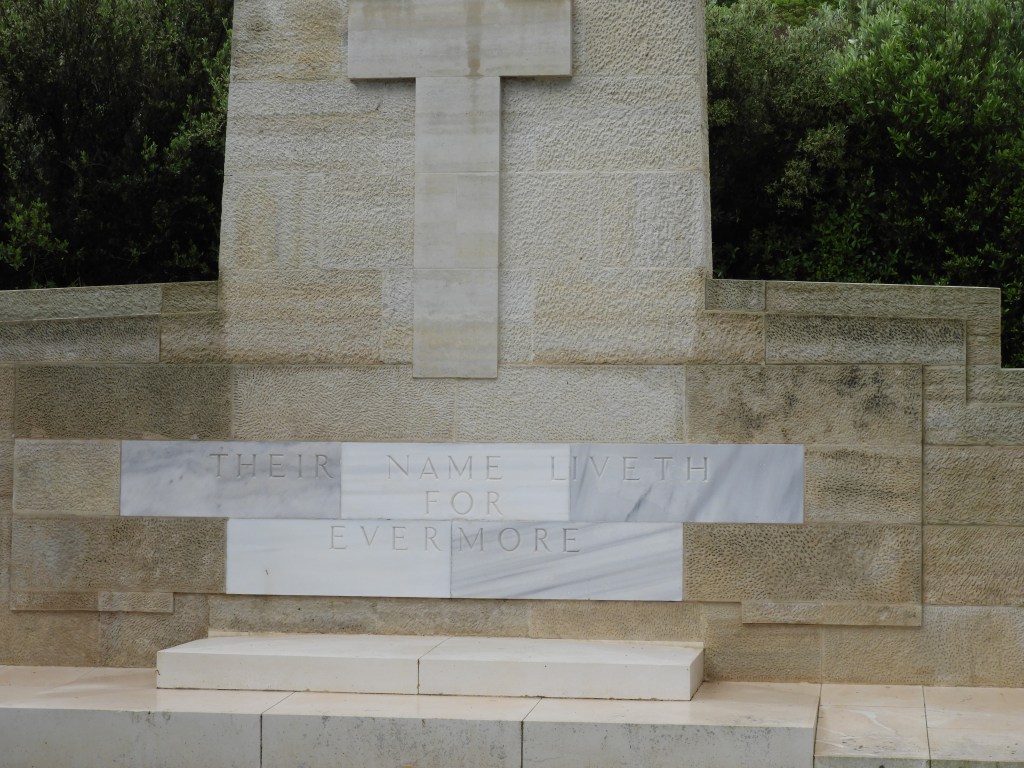
We then visited some of the cemeteries and ANZAC Cove. Although I knew that the soldiers in Gallipoli, it was still heartbreaking to see the ages of the deceased Australian and New Zealand military on their graves. It made me really think about the cost of war, both at the sites of battle but also back home.
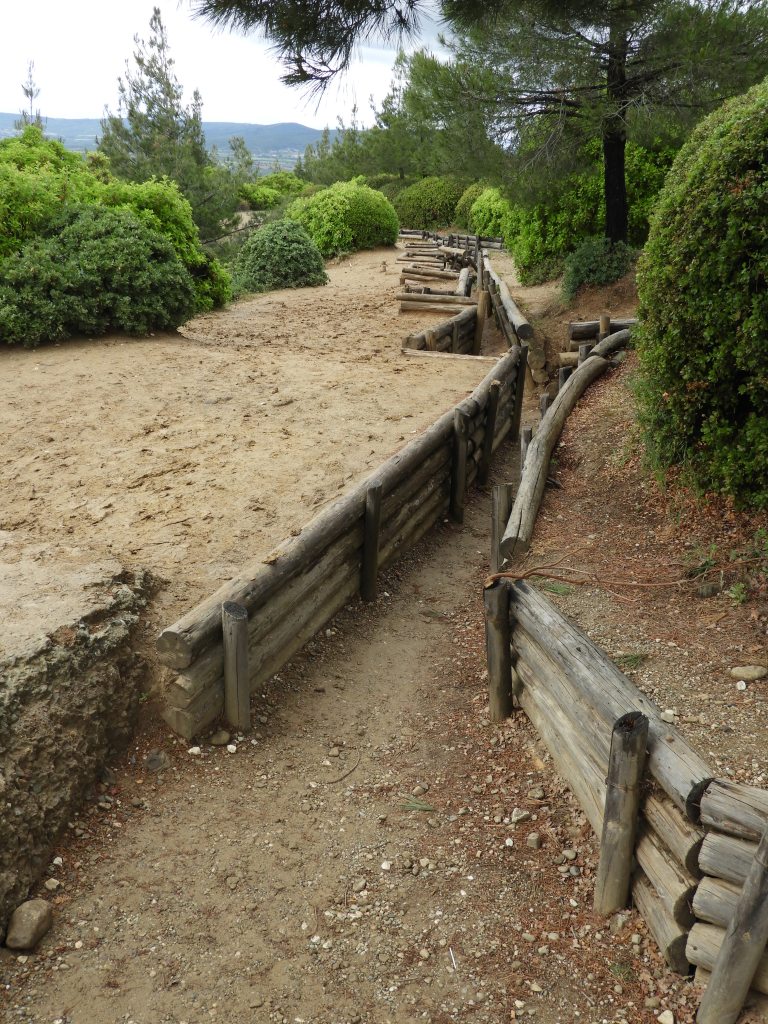
Travelling in the bus to the various locations, we saw many red poppies and a number of stretches of what looked like slight gullies in the soil beside the road. These were the trenches used during the war that have been filled with sand over time. Apparently at the closest spots, the trenches between the two parties were only 7 metres apart.
We were able to see the grave of John Simpson Kirkpatrick, known for his role in the 3rd Australian Field Ambulance unit and using his donkey to cart men down and away from the front. In fact, he used at least 5 different donkeys during his time at ANZAC Cove, with a number of them dying or being injured during the battle, which was a reminder that not only humans lose their lives during times of war.
Simpson landed on the beaches on 25 April and was killed by enemy fire on 19 May, meaning he worked in his role for 25 days during the fighting, with his actions and the roles of the donkeys becoming famous.
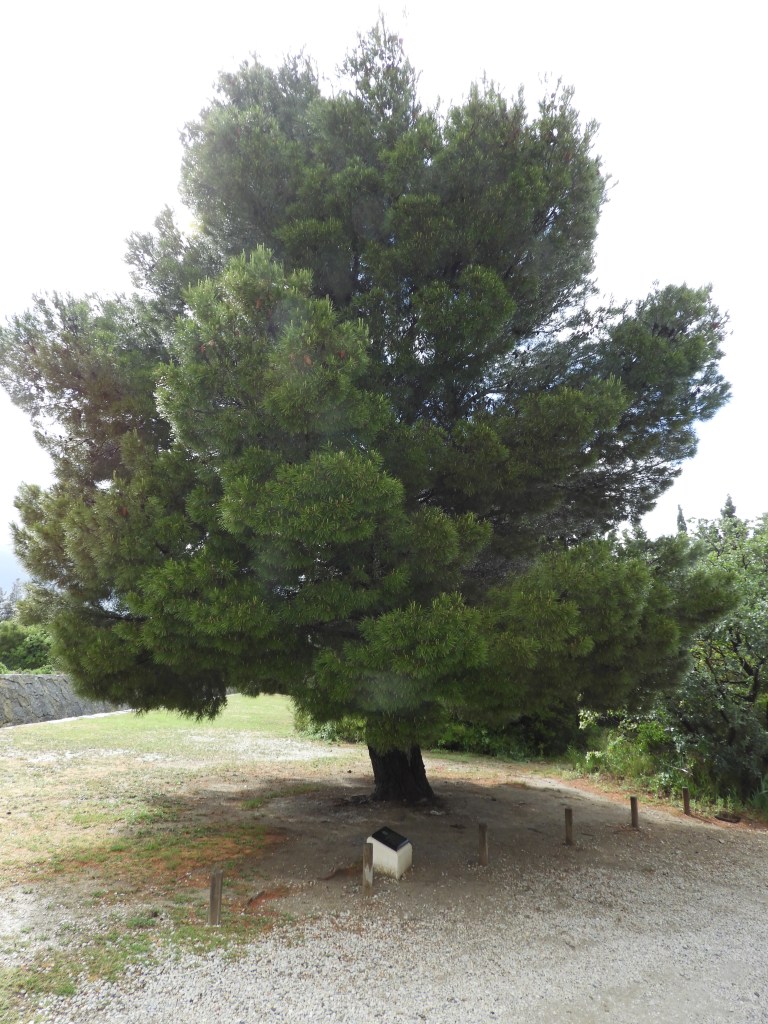
We also visited the Lone Pine cemetery, the site of the Battle of Lone Pine between 6-10 August 1915. Over this period, the Allies were able to conquer two Ottomen (Turkish) battalions, with the Turks and then the Allies bringing in reinforcements. By the 9th the Turks realised they could not regain the land and action ceased by the 10th. The Lone Pine relates to a singular pine tree that the Turks left when chopping down a field of pines to use to reinforce their trenches on other parts of the site.
All of the cemeteries looked well cared for with flowers and beautiful lawns. The care of these spaces is being funded by the Commonwealth of Australia in agreement with the Turkish government.
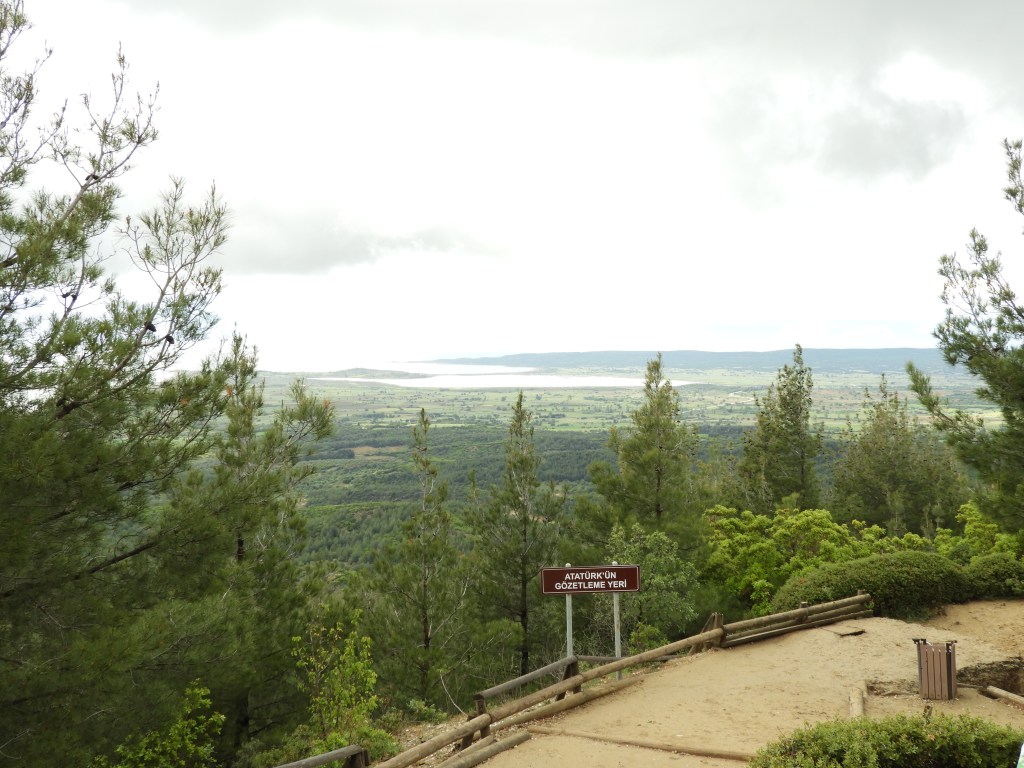
The final spot we visited was Conkbayiri. This was a large hill, being one of the highest grounds within the area, and was the site of the Battle of Chunuk Bair from 7-19 August 1915. The Turks controlled this hill which the Allies did their best to win over. At one stage, the Allies took over for 2 days, but were unable to maintain control and lost it back to the Turks. The trenches atop this hill were lined with pine tree shafts shown in photos.
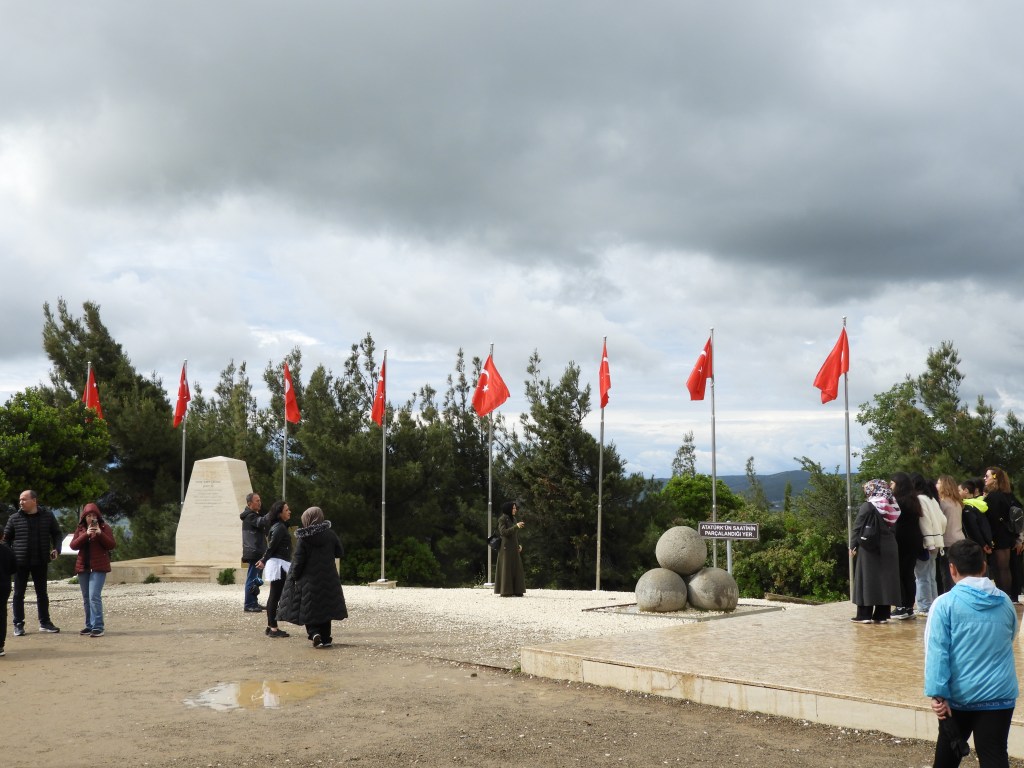
One of the interesting tales from the Battle of Chunuk Bair is that one of the Turks’ battle commanders, Mustafa Kemal Ataturk, known as Ataturk, received a bullet or shrapnel from a bullet with that shrapnel hitting his pocket watch, saving his life. A pod of 4 stone balls is placed at the site where Ataturk was believed standing at the time he received the shrapnel shot. Ataturk went on to become a political leader, Prime Minister and the first President of Turkey. He was very popular and progressive as a secularist in a country that has a mainly Islamic, and a population mix of approx. 70% Turks, 20% Kurds and 10% other at this time.
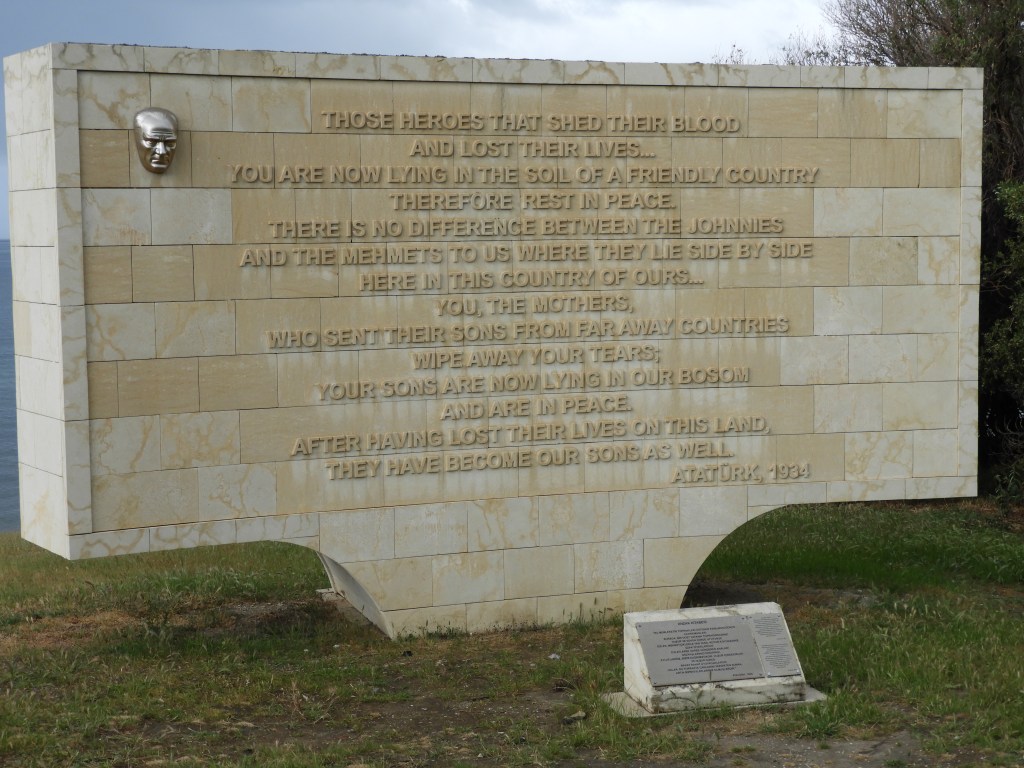
In 1934, Ataturk wrote a letter that is carved into monuments in Gallipoli and Canberra (on ANZAC Parade). It is believed to be first given at Gallipoli in that year. It states:
“THOSE HEROES THAT SHED THEIR BLOOD AND LOST THEIR LIVES…
YOU ARE NOW LYING IN THE SOIL OF A FRIENDLY COUNTRY THEREFORE REST IN PEACE.
THERE IS NO DIFFERENCE BETWEEN THE JOHNNIES AND THE MEHMETS TO US WHERE THEY LAY SIDE BY SIDE HERE IN THIS COUNTRY OF OURS…
YOU, THE MOTHERS, WHO SENT THEIR SONS FROM FAR AWAY COUNTRIES, WIPE AWAY YOUR TEARS; YOUR SONS ARE NOW LYING IN OUR BOSOM AND ARE IN PEACE.
AFTER HAVING LOST THEIR LIVES ON THIS LAND, THEY HAVE BECOME OUR SONS AS WELL.”
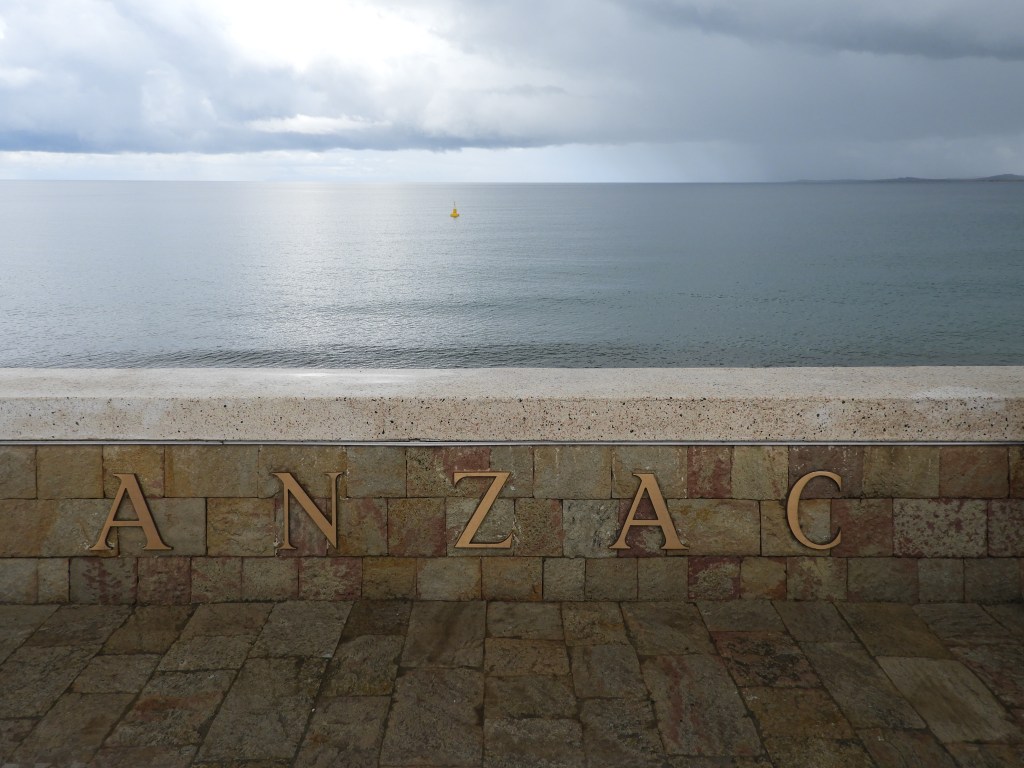
Standing at ANZAC Cove, looking out at the sea where the Australians and New Zealanders landed in 1915 and thinking how far we have come with Turkey, from being enemies to friends, made me grateful that I was able to visit if only for a short time.





 mattravoblog