Well today was a busy day.
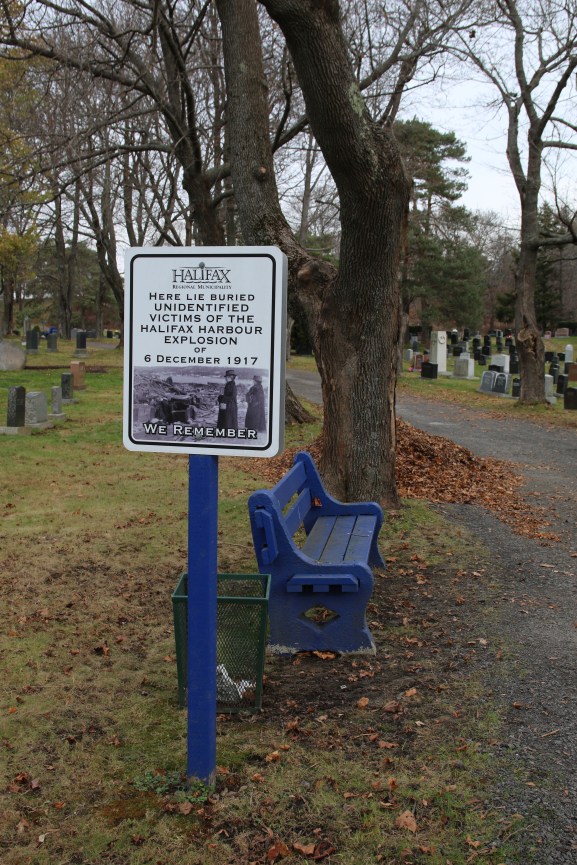
Today was the 99th anniversary of the Halifax Harbour Explosion. On 6 December 1917, Halifax was in the middle of war efforts as part of World War I. It had a deep harbour and was used as a staging post and meeting point for the various Allied navies. Two of the ships in the harbour that day were the SS Mont Blanc, a French cargo ship loaded with munitions (around 2600 tons worth) that was coming into the harbour (the pilot had boarded the night before), and the SS Imo, a Norwegian ship being used to bring supplies to Europe that was leaving the harbour.
At around 8.30am, the SS Mont Blanc noticed that the SS Imo was heading for it, through the Narrows, being the narrowest part of the harbour, and sent signals confirming it had right of way, to be returned by the SS Imo that it would not yield. The captain cut his own engines and depending on who you believe either angled slightly to starboard earlier or did so late in the piece (not really much time in between) to try to protect his dangerous cargo. By this time there was no way out of a collision although both ships had cut their engines. Sailors on other ships stopped to watch. At 8.45am, the SS IMO ran into the SS Mont Blanc, causing ammunition barrels to fall over and leak, and a fire broke out on the munitions ship. The locals in and around the harbour stopped to watch. The crew of the SS Mont Blanc jumped into life rafts, apparently trying to indicate to others that the ship would explode. Apparently this didn’t work so they rowed hard to shore and ran into the trees. As no other parties were aware of the danger, some rowed out to tie a line to the ship and tow it out.
At 9.05am, the ship exploded. The explosion was the largest man made explosion of its time, until Hiroshima. Over 2000 people died, 9000 were injured, with many of those who didn’t die being blinded by the explosion, blocks of buildings were blown down including mostly all of the northern side of Halifax, and windows shattered as far as 100 miles away. Many other ships were totalled, and their crew deceased from the explosion. Only one crew member of SS Mont Blanc died. The explosion also caused a significant tsunami that transferred a significant amount of water from the harbour to the streets, drowning many members of the public.
There was a significant amount of loss from this tragedy. But the war effort continued, including sending a convoy from Halifax only a few days later. And many medically trained people came from miles away to help out, set up a hospital (the hospital ship in the harbour was damaged and the usual building used was also damaged beyond repair) and a morgue.
XOX
My first action for the day was to head over to the Atlantic superstore for some provisions. On the way, I walked through Cornwallis Park. In pride of place in the centre of the park, it has a statue of Edward Cornwallis, “Founder of Halifax” in 1749, and its first Governor. Founder being listed on the statue which was unveiled in 1931, and in inverted commas (by me) because as with many historical events, there are disputes as to the facts and there was a native people already residing there.

An interesting thing that I noticed on my walk is that none of the cars in Halifax have front number plates. A few have adverts, but most are clear. I’ll have to look into that.
Another thing of note in the area of Halifax that I am staying is that it has a large university, the Dalhousie University, and so caters a lot to the student crowd. Not that there is anything wrong with that, it means there are a number of pubs and cafes with cheap food and beer.
After finishing at the Superstore (basically a very large grocery store with a pharmacy, fresh fish and butcher, as well as a small amount of other things like books), I headed over to the Southern end of the Halifax Waterfront Boardwalk, via the Via Rail offices (the company that runs the train lines across Canada). There was no information like timetables and fares available (you get it off the internet), and for what I wanted in terms of tickets, it was recommended I just buy them off the internet too.
So off to the Boardwalk. At the southern end, it starts with the Halifax Seaport. So that’s where I started to investigate. I wandered through the Halifax Farmer’s Market (which opened at 10am, just before I got there so was only just setting up), followed by a closed Annexe used for various events integrating the water with the area close to it (closed), and the NSCAD University Port Campus (Nova Scotia College of Art and Design). Next door was the Mary E Black Gallery and Design Art Shop, which was open so I wandered in for a look. There were two small exhibits on, the first being various objects made from porcelain. This was quite colourful, with my favourite items being two boxes that very much looked like they were made from textile but were actually porcelain. The work was so intricate. The second exhibit, which is being advertised around town including on a brochure in my hotel room, was called Birth by Fire. It is an exhibit of forged steel with an interplay with wood and sometimes stone. It is interesting because whilst steel is forged in fire, wood in many cases dies by fire. I enjoyed some of the many uses of the materials. But I wasn’t allowed to take photos.
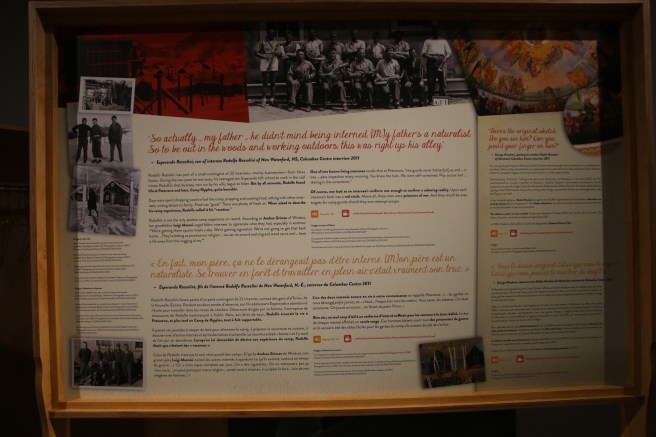
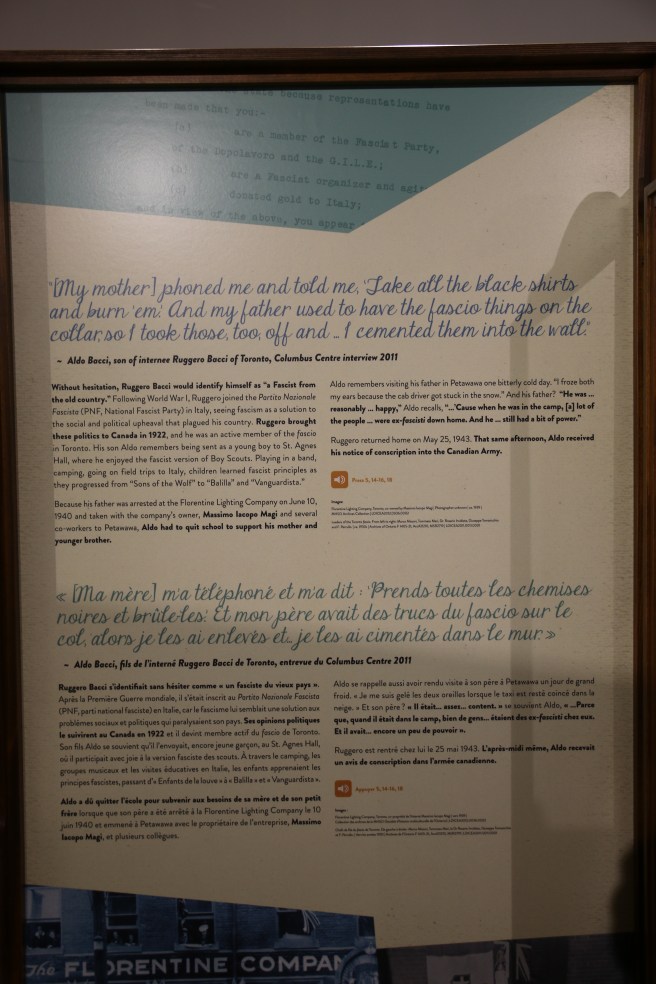
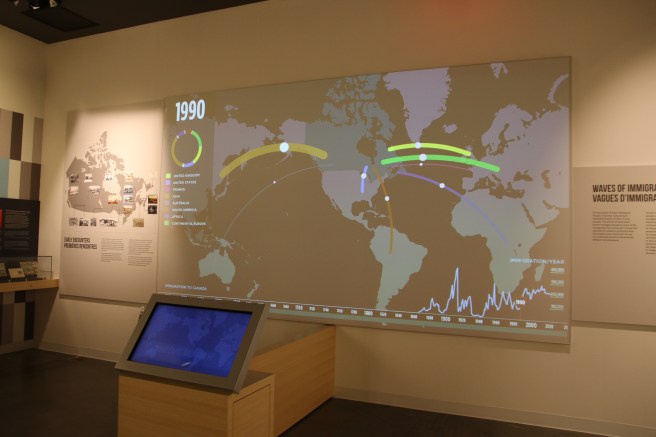
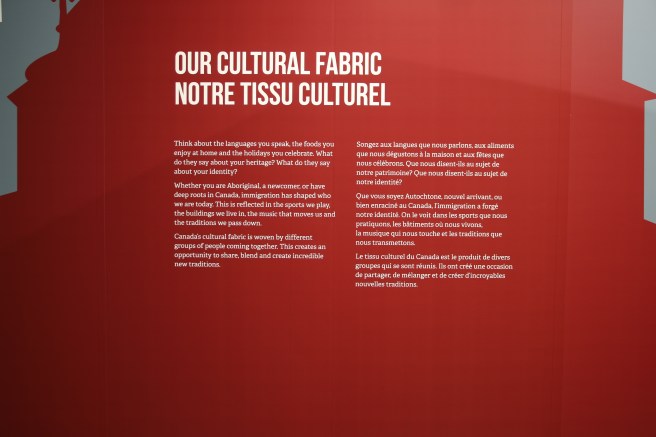
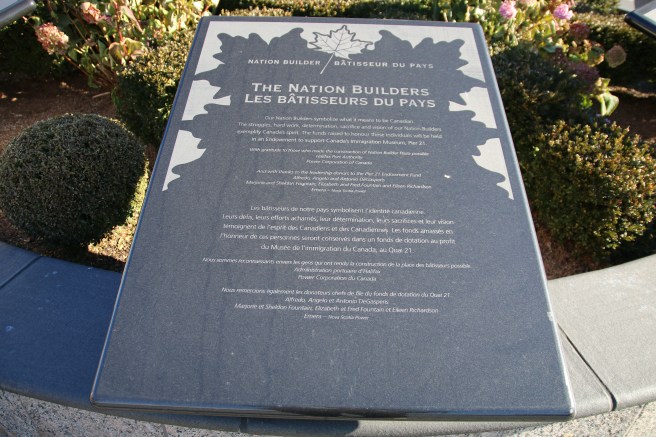
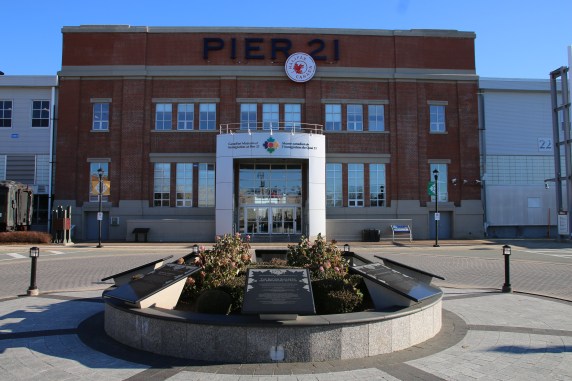
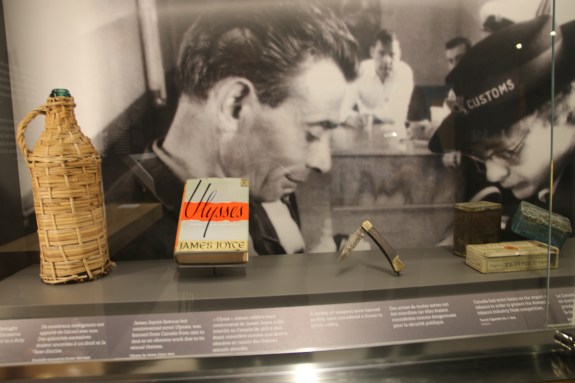
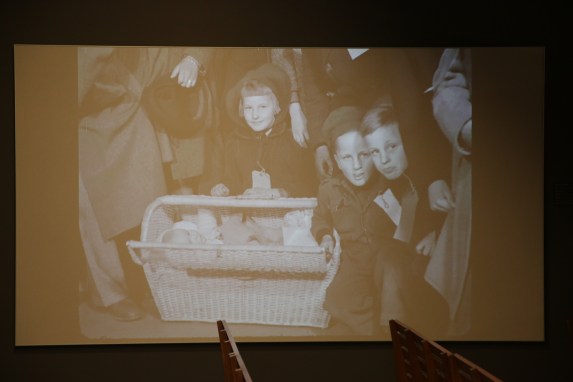
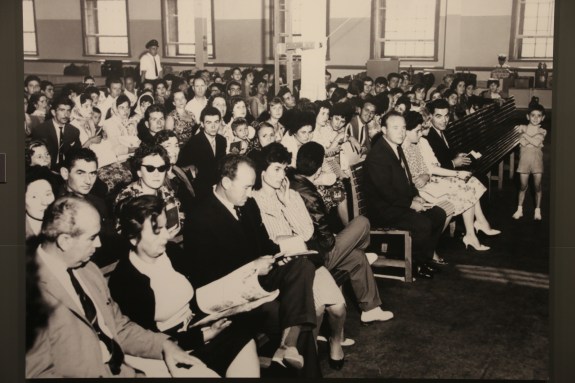
I then headed next door to the Canadian Museum of Immigration, which was also closed. But it is open for the next few days so will definitely go back. Canada has a long history of accepting immigrants, and I took some photos of items outside. But I’ll leave those until I am able to visit the Museum. Next door, there was another area for shops and displays that is used only when cruise liners are in town, which there wasn’t, so it also was closed. Then following that building is the operations of the Cunard Line. This line was started by Samuel Cunard, a Haligonian – someone from Halifax. There was a statue of him near the start of the actual Boardwalk.

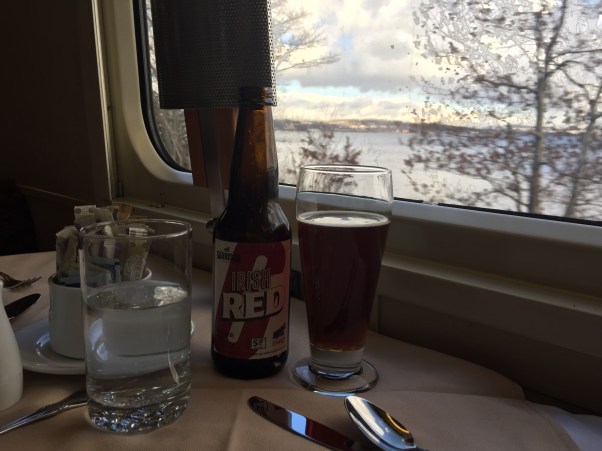
I then turned around and noticed a Brewery (Garrison Brewing Company) on the other side of the road. So I had to stop for a sample. They make a range of different beers, with their most ordered beer being Tall Ships Amber and Irish Red. I had a Nut Brown, a dark bitter beer. It was quite tasty, especially at $2.
I then headed off to the start of the Boardwalk. Along the way are a number of cafes, restaurants etc. and touristy items like bike and Segway hire (both closed until May). Whilst it was relatively cold, there were a number of joggers and cyclists using the Boardwalk. I took a photo of a large helicopter taking a circle around the harbour, which I think was something to do with today’s anniversary of the harbour explosion.
I passed George’s Island – in the middle of the harbour – on the way. It doesn’t look too exciting. But it was first fortified in 1749 by the British, then used as a detention centre. It became a naval base in the 1800s.

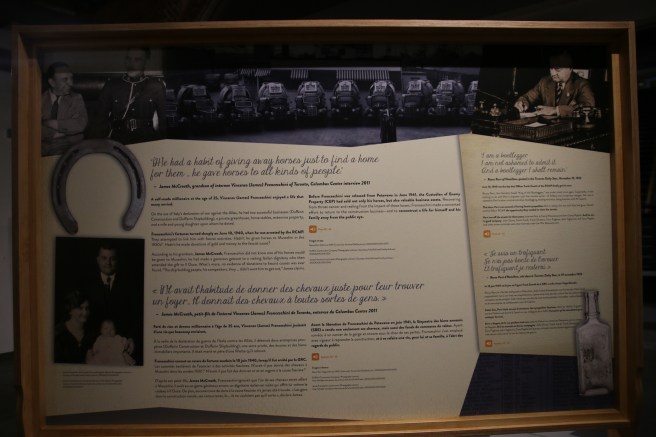
I then reached the Maritime Museum of the Atlantic. There were a number of exhibits. Downstairs was mainly around wartime navy ships and weaponry; a large exhibition and video display on the harbour explosion, as well as some fascinating storied from those who survived and those who came to Halifax to help out (some areas were set up for dignitaries to attend events later in the day).
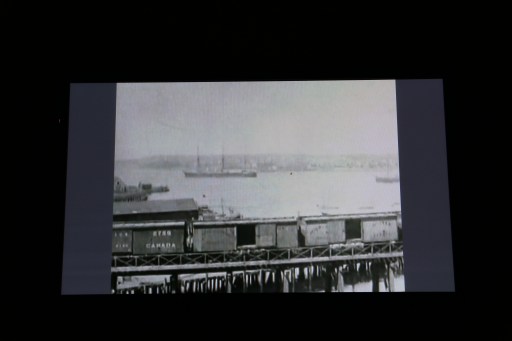
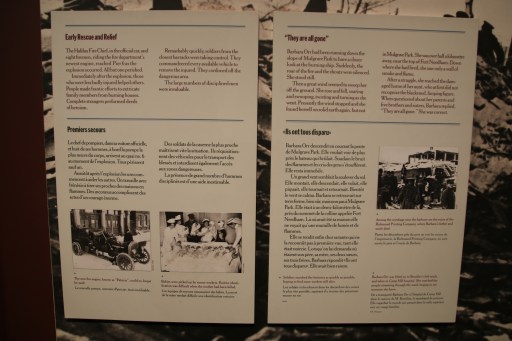

There are also another half dozen photos on this event that WordPress would not allow me to add. I will keep trying over the next week to update this entry, as the historical information is fascinating.
In the museum, there were also full and part size models of a number of yachts and other boats. Upstairs was taken up with two main subjects. One was a number of model steam ships (around 20 of different sizes between about 30 centimetres and 2 metres long) and various articles like quadrants, spliced shipping cables and various bits of wood from sunken ships. Given Halifax’s historical use of the water, and position as a major port and navy “half-way house” for the Americas and Europe, there are believed to be around 10,000 sunken ships around the Nova Scotia shoreline.
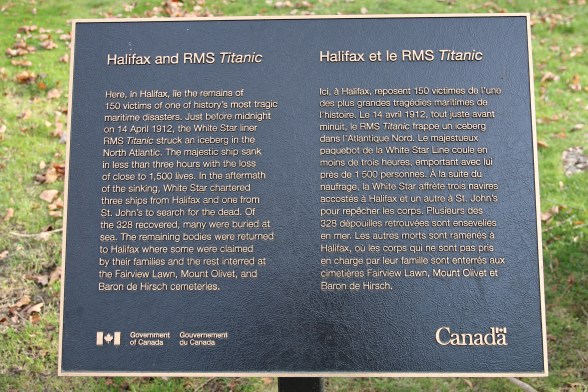
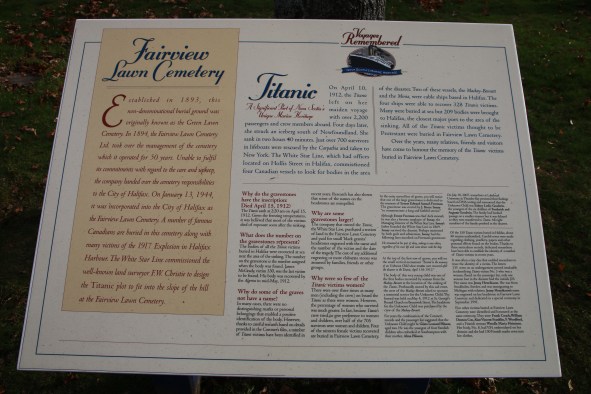
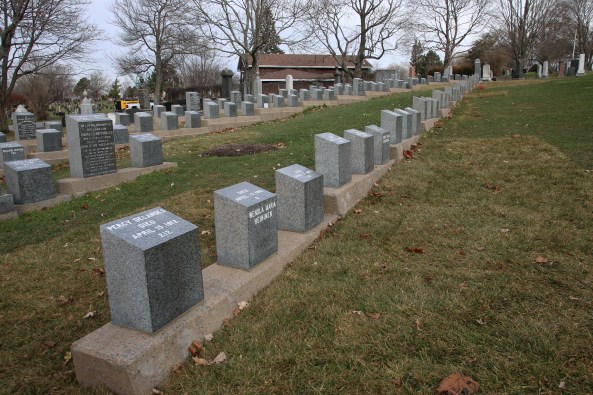
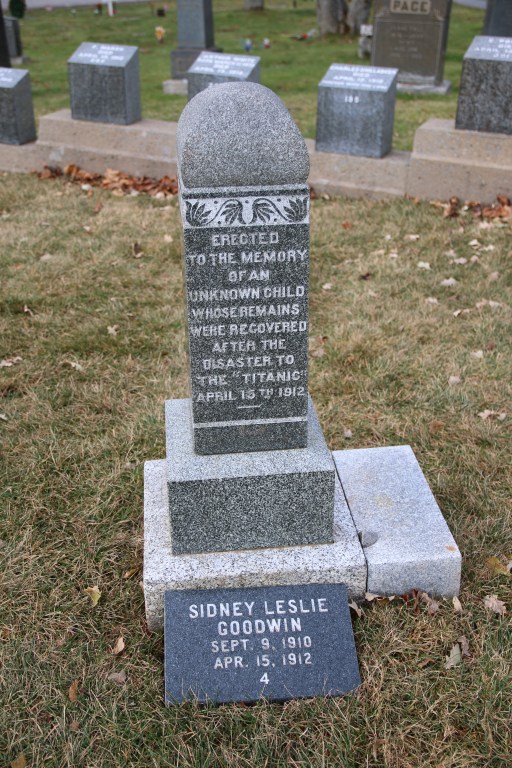
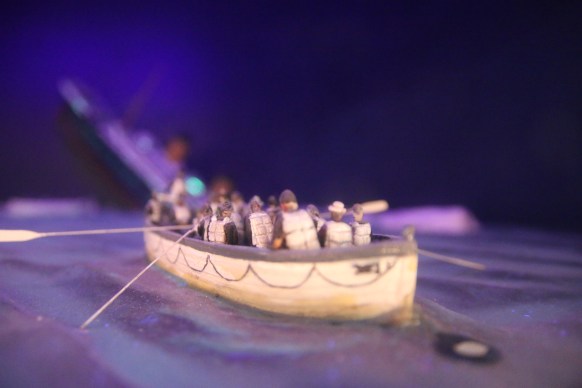
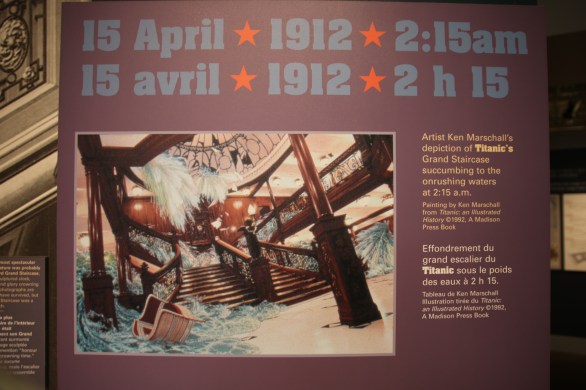
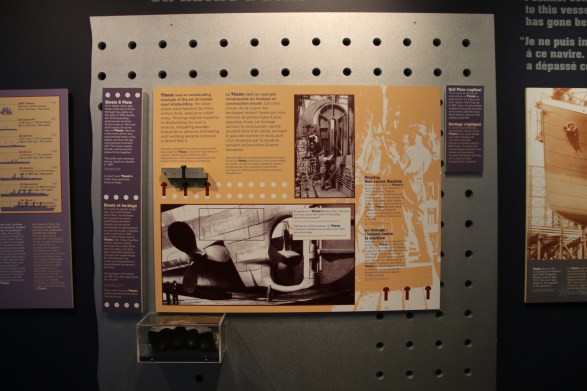
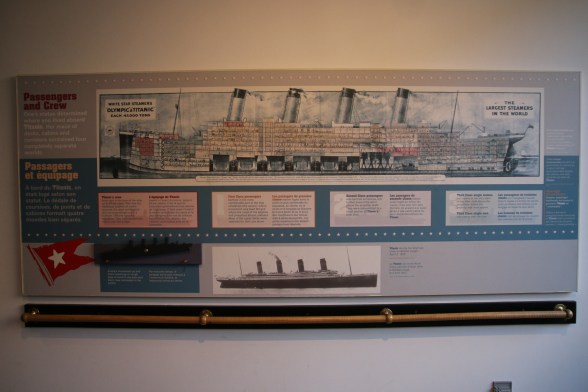
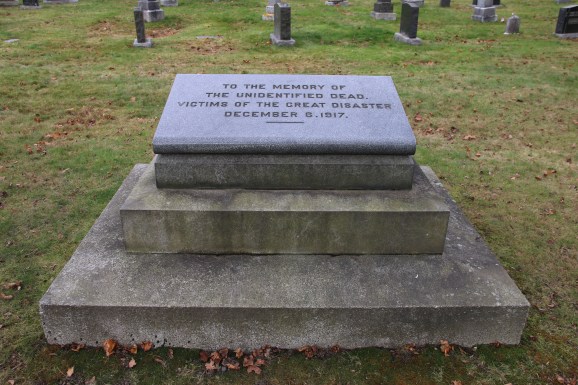
The final exhibit (and it’s a large one) is the RMS Titanic. The Titanic was sunk not much more than 400 miles from Halifax, and this was the nearest major port so was used to deliver bodies recovered from the event (the survivors travelled to New York). I’ll try to get out to the Fairview Lawn Cemetery, where the unclaimed bodies were buried, in the next couple of days and so will add some photos from the museum exhibit together then.
Two more noteable items from the Maritime. One is that Merlin, the talking parrot, has his own live webcam at www.novascotiawebcams.com. The other is that I received a Certificate of Proficiency in Morse Code from the Halifax Radio Club for being able to send my first name in a morse code message. Nowhere near up to your standards of course, Dad, but I did it.

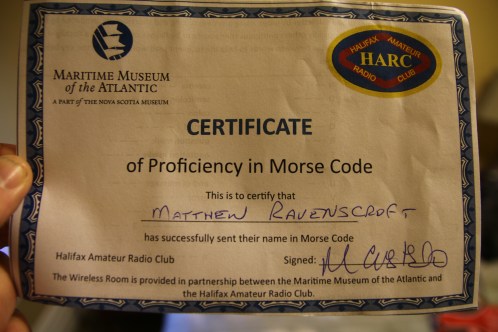
After the Maritime Museum I went for a walk up to the Citadel. On the way, I stopped at a Rum Distillery (Halifax Distilling Company) and went in for a sample. It was quite smooth. I had a Mojito, but it was nowhere near the standard I got at Hotel Nacionale de Cuba in Havana, or even the Havana Café in Cairns. But it was okay (although missing mint leaves!).
I got up to the Halifax Citadel (a National Historic Site). This was chosen (again in 1749 – that was a busy year for Halifax) as the right place to place a fort to protect the city, given its views across the harbour. It was well set up with cannons and its armoury. It is currently undergoing a major renovation (as are a number of historic parts of Halifax).

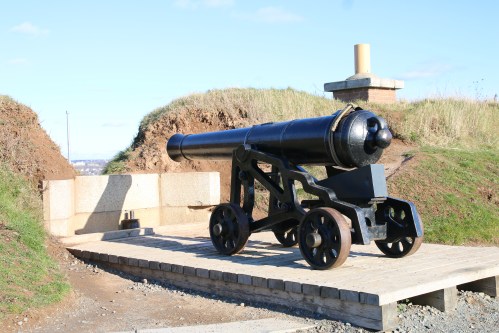

After leaving the Citadel I wandered 2 blocks to the Halifax Public Gardens. They have a large fence around them. And were closed for winter. So I walked back to the hotel. On the way, I stopped in at a chocolate shop and asked for some chocolate covered honeycomb. The lady didn’t know what I was talking about. After a couple of minutes, we worked out that in Canada they call it “sponge toffee”. The shop sells it as Rocky Seafoam, as another company has trademarked the name “sponge toffee”. But that’s what everyone calls it. So I bought a packet to test. And after a couple of samples, I can highly recommend it. The honeycomb does not have as strong a bite as our Crunchie bars, but are half way between that and Violet Crumble.
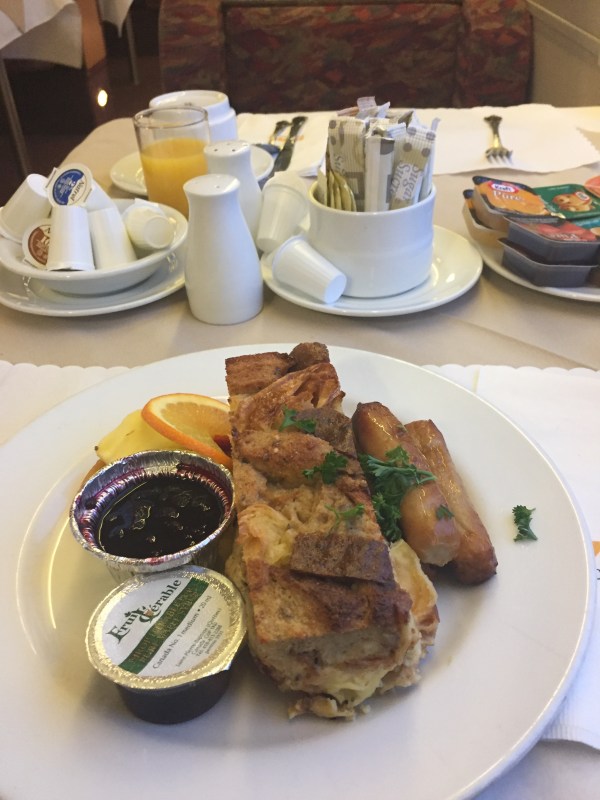
I then headed back to the hotel (got there around 4pm) and sat down to read today’s Globe and Mail (they are free at the hotel), so I read the local paper (The Chronicle Herald) with breakfast. On the front page was an article on a political and environmental storm about an oil pipeline, one on Liberal Party fundraisers being unethical and potentially illegal. Sounds like more than one country has these issues.
There was also an article inside about concerns around an online survey on electoral reform in Canada, to decide a new way of voting (they currently use first past the post). There are concerns that the questions are not valid, and there may be nothing to stop people completing the survey more than once. The current Prime Minister promised that the 2015 election would be the last based on first past the post, but at this point the pollies cannot decide on what should replace it. The newspaper even listed the web address for the survey “mydemocracy.ca” and said that the consultants had posted out 15 million postcards to electors to get them to complete the survey. So I logged in myself and completed it too. Apparently, I’m a Challenger, and my politics is both responsive and transparent.
Now I’m finally catching up on my blog (more photos than word tomorrow), so now it’s time for bed.















 mattravoblog